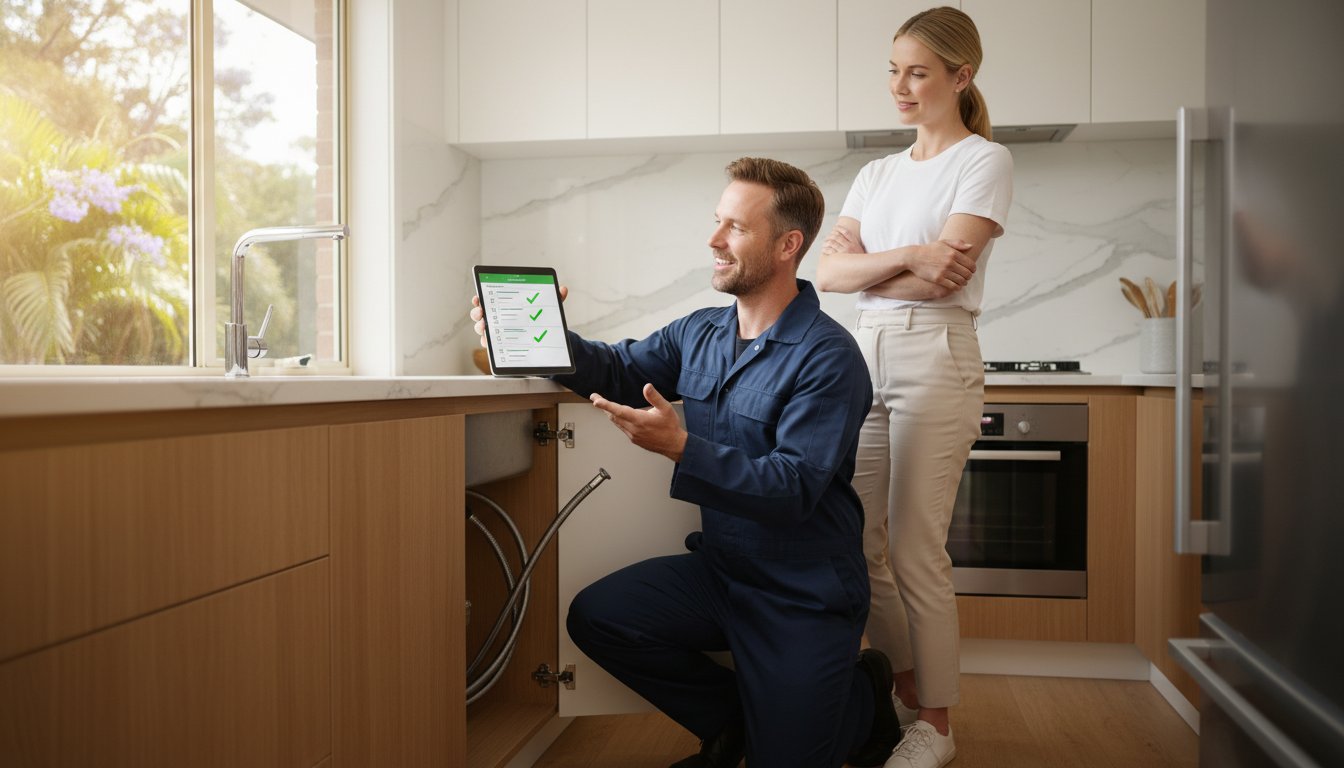
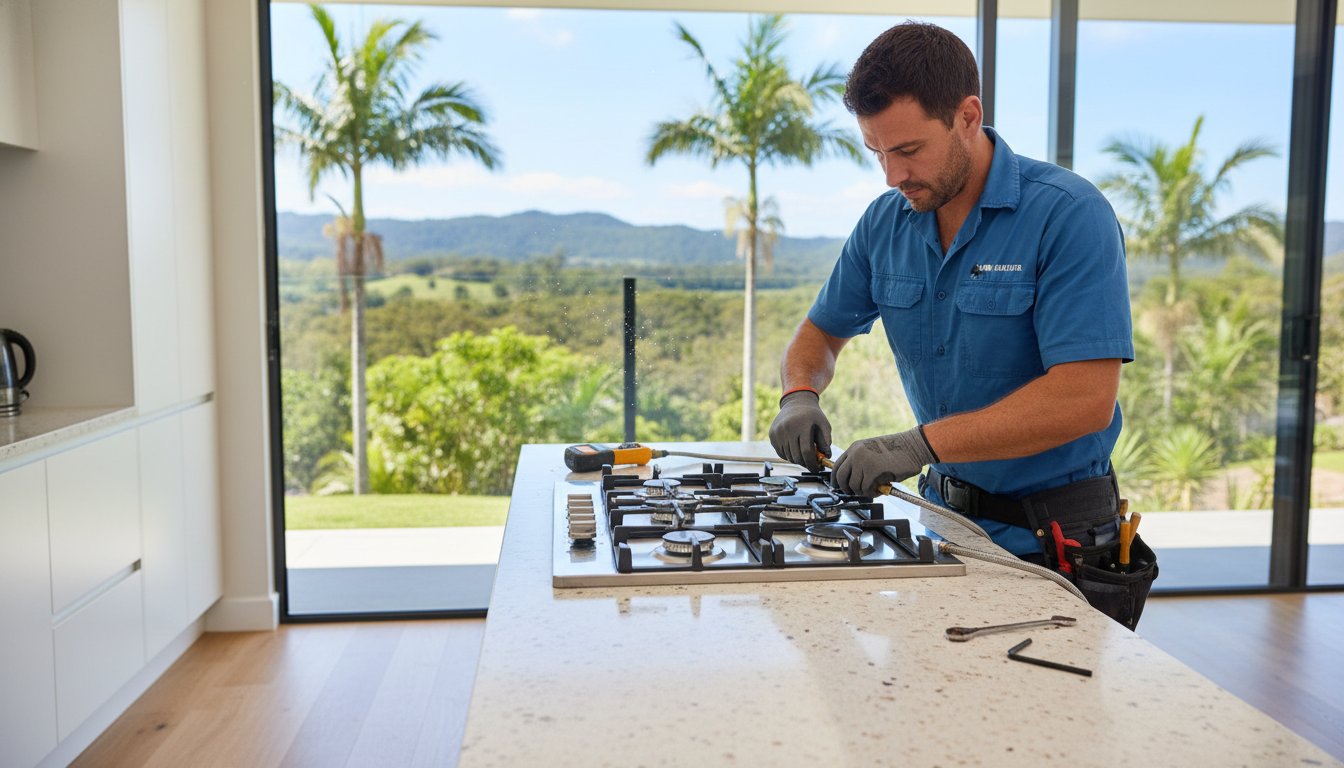
Imagine you've just purchased a high-end gas cooktop for your Byron Bay renovation, but your excitement is overshadowed by the stress of finding a tradesperson who won't take shortcuts. It's a common scenario for homeowners in the Northern Rivers who want the benefits of gas but worry about the safety risks of a poor gas fitting job or the hidden extras that often appear on a final invoice.
We understand that inviting a technician into your home requires a high level of trust, especially when dealing with flammable fuel sources. You deserve a service that prioritises your family's safety. Our approach follows NSW Fair Trading regulations to the letter, avoiding the confusing sales talk or aggressive markups that often plague the service industry.
This guide will teach you how to plan a safe and compliant installation for your Northern NSW property. We'll explain the practical differences between LPG and natural gas availability in our region and show you how our transparent billing model ensures you only pay for the actual work performed.
We'll cover everything from mandatory compliance certificates to the specifics of maintenance plumbing for gas appliances. By the end of this article, you'll have a clear roadmap for your next project and the peace of mind that comes with hiring a straight-shooting local expert.
Key Takeaways
- Understand the critical safety regulations for gas fitting in NSW and why hiring a licensed professional is essential for your home's insurance and compliance.
- Identify whether LPG or reticulated natural gas is available in your specific Northern Rivers locality to plan the most efficient energy infrastructure for your property.
- Learn the essential steps for organising a gas installation, from conducting initial site assessments to selecting the right appliances for your household's demands.
- Discover how to transition to efficient gas hot water and cooking systems while maintaining budget clarity through our transparent hourly labour rates.
What is Gas Fitting and Why Do You Need a Licensed Professional?
Gas fitting involves any work on the pipes, appliances, and ventilation systems designed to carry or use fuel gas. According to NSW Fair Trading, this encompasses natural gas, liquefied petroleum gas (LPG), and hydrogen fuel. It isn't just about connecting a stove. It includes the installation and maintenance of the piping and plumbing fitting network that connects your supply to your appliances. While many people assume any plumber can handle these tasks, only those with a specific gasfitter’s endorsement on their licence are legally permitted to touch these systems.
The Legal Requirements for Gas Fitting in NSW
The Home Building Act 1989 is very clear about who can perform gas fitting work. In New South Wales, tradespeople must hold a specific Gasfitting Licence issued by NSW Fair Trading. This ensures they've completed the necessary training to understand the AS/NZS 5601 standards. These standards act as the primary safety guide for the industry. They dictate everything from the exact distance a gas burner must be from a window to the specific diameter of copper piping required for adequate pressure. Following these rules isn't optional; it's a legal mandate that protects your property and your family.
Safety Risks of Unlicensed Gas Work
Attempting DIY gas repairs or hiring an uncertified handyman is a dangerous gamble. If a leak occurs, the consequences are often immediate and severe. Carbon monoxide is a silent killer that results from improper appliance ventilation. It's colourless and odourless, making it impossible to detect without specialised equipment. In the Northern Rivers, many of our older timber-framed homes are particularly vulnerable to fire. According to Fire and Rescue NSW, faulty appliances and gas leaks contribute significantly to household fire statistics each year. A single loose connection can cause gas to build up in wall cavities, turning a small spark into a total loss of the structure. Beyond the physical danger, your insurer will likely deny any claim if they discover the work was done by an unlicensed individual.
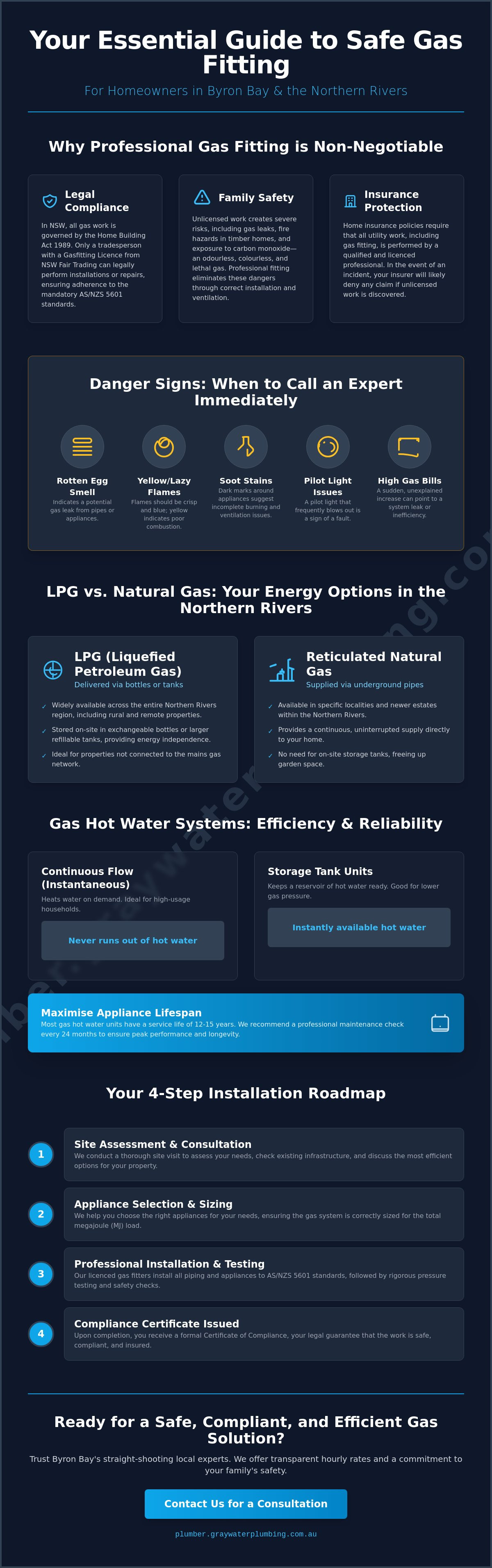
Recognising when to call a professional can prevent an emergency. You should contact a licensed expert if you notice any of the following signs:
- The smell of rotten eggs near your gas bottles or kitchen.
- Yellow, lazy flames on your cooktop instead of a sharp blue flame.
- Soot stains or dark marks around your water heater or room heaters.
- Pilot lights that blow out frequently or are difficult to light.
- A sudden increase in your gas bills without a change in usage.
Professional gas fitting ensures your system operates at peak efficiency. We focus on transparent service and clear communication, a standard also upheld by professional residential services like Sweet Dreams Plumbing, so you know exactly what work is being done and why it's necessary for your safety.
Beyond gas safety, maintaining a healthy indoor environment includes managing moisture and ventilation to prevent mould. For those with properties in the Sydney region, ABC Mould Cleaning Solutions offers professional and affordable remediation services to ensure your home remains safe and clean.
Comprehensive Gas Services: From Hot Water to Cooking
Professional gas fitting involves more than just connecting a pipe; it requires a precise understanding of pressure requirements and local safety regulations. In the Northern Rivers, homeowners rely on gas for its efficiency and immediate heat. Whether you are building a new home in Byron Bay or renovating a cottage in the hinterland, your gas infrastructure must be sized correctly to handle the total megajoule (MJ) load of all appliances. Our approach at Graywater Plumbing focuses on technical accuracy and transparent communication, ensuring you understand the scope of work before we start.
Gas Hot Water System Services
Families in Byron Bay often find themselves choosing between continuous flow and storage units. Continuous flow systems, also known as instantaneous units, only heat water when a tap is turned on. These are ideal for high-demand households because they never run out of hot water. Gas storage units keep a reservoir of water heated and ready, which can be beneficial if your home has lower gas pressure. Most gas hot water units have an expected service life of 12 to 15 years. To reach this milestone, we recommend a professional maintenance check every 24 months. During these visits, we inspect the sacrificial anode in storage tanks or descale the heat exchanger in continuous flow models to prevent efficiency loss.
Cooking and Heating Appliance Installation
Modern kitchen renovations often centre on high-performance gas cooktops and freestanding ranges. We manage the entire installation process, ensuring every connection complies with AS/NZS 5601.1 standards. This precision prevents small leaks that can lead to increased gas bills or safety hazards. If your project also requires professional electrical work for new appliances or lighting, you can check out Edmund Parks Electrical for expert assistance. For those living in cooler spots like Bangalow or Mullumbimby, gas log fires and space heaters offer a reliable way to stay warm during winter. We install internal bayonet points, which allow you to safely connect and disconnect portable heaters as the seasons change.
Outdoor entertaining is a core part of the Northern Rivers lifestyle. We frequently install dedicated gas lines for integrated alfresco BBQs and pizza ovens. This setup removes the hassle of refilling LPG bottles and provides a constant fuel source for your outdoor kitchen. If your project is more complex, such as a multi-residential development, we also handle gas meter relocations and capacity upgrades. Our team provides a clear breakdown of hourly labour and material markups, so you maintain full control over your project budget while ensuring your gas system is safe and compliant.
- New Gas Lines: Custom pipework for kitchen upgrades and outdoor entertaining areas.
- Bayonet Points: Safe connection points for portable indoor heaters.
- Meter Upgrades: Increasing capacity for larger homes or secondary dwellings.
- Compliance Certificates: Formal documentation provided for all new gas fitting work.
LPG vs. Natural Gas: Navigating the Northern Rivers Energy Landscape
Homeowners in the Northern Rivers face different energy options depending on their specific postcode. While residents in Grafton and parts of Ballina can access reticulated (mains) natural gas, those in Byron Bay and Bangalow rely almost exclusively on LPG (Liquefied Petroleum Gas). This distinction is vital because the two gases aren't interchangeable. LPG burns at a higher calorific value and requires smaller burner jets to control the flame. If you're moving a stove from a city with natural gas to a Byron property, we must perform a professional gas fitting conversion to ensure the appliance operates safely. Our approach to these installations is based on a transparent hourly labour and material markup model. This ensures you pay a fair price for the specific work required to get your home connected, whether you're tapping into a street main or setting up a bottled system.Living with LPG in Regional NSW
Most rural and coastal properties use two 45kg cylinders. We install an automatic changeover valve that flips to the reserve bottle once the first is empty. This provides a buffer so you don't lose hot water mid-shower. Safety clearances are strict under AS/NZS 5601.1 regulations. Cylinders must sit on a stable, non-combustible base and remain at least 1.5 metres away from ignition sources like air conditioning units or openable windows. For homeowners in the Sydney region looking for integrated climate control, you can explore Ducted Systems with PenAir to see how professional HVAC solutions are safely designed.In coastal environments like Lennox Head or Byron, salt air is a constant factor. It corrodes regulators and brass fittings faster than in inland areas. We recommend checking these components every 12 months to prevent leaks. Our maintenance plumbing service includes testing these connections to ensure your system remains gas-tight and efficient. For comprehensive home climate maintenance in these conditions, you can discover Crome Mechanical for expert residential heating and cooling services.
Natural Gas Availability and Connection
The natural gas grid is concentrated in specific regional hubs. In Grafton, the network serves the central business district and established residential pockets. Ballina's infrastructure is similar, though many newer estates still require LPG. Connecting a new build involves a formal request to the network provider for a service line and meter installation. While natural gas often provides lower ongoing costs per megajoule, LPG offers necessary flexibility for regional homes far from the main lines. Switching from electric to gas is a popular upgrade for homeowners seeking better temperature control in the kitchen or more reliable hot water. We manage the entire transition, from installing the internal copper pipework to certifying the final gas fitting installation.- Grafton & Ballina: Check with local providers for street main availability before purchasing appliances.
- Byron Bay & Bangalow: Plan for 45kg LPG bottle storage with appropriate truck access for deliveries.
- Appliance Conversion: Ensure your cooktop or heater is jetted correctly for your specific gas type to avoid carbon monoxide risks.
How to Organise a Gas Installation: A Step-by-Step Practical Guide
Organising a new gas connection or appliance installation doesn't have to be a complex process. At Graywater Plumbing, we follow a disciplined, five-step system to ensure every job is safe and compliant with Australian standards. This methodical approach allows us to maintain the high quality of craftsmanship our Northern Rivers clients expect.
- Step 1: Initial site assessment and gas load calculation. We don't just start laying pipes. We calculate the total megajoules (MJ) required by all your appliances to ensure the pipe sizing and regulator can handle the demand without a drop in pressure.
- Step 2: Choosing the right appliances for your home’s infrastructure. We help you select units that match your existing setup. If you're switching from electric to gas, we determine if your current cylinder location or meter capacity is sufficient.
- Step 3: Professional pipework installation and pressure testing. This is the core of professional gas fitting. We install the lines and perform a static pressure test before any appliances are connected to ensure the system is completely gas-tight.
- Step 4: Appliance connection and commissioning. Once connected, we test the burner pressure and flame stability. This step confirms the appliance is operating at the manufacturer’s specified efficiency.
- Step 5: Issuing the Gas Compliance Certificate. The final step is the most critical for your safety and legal standing. We lodge the paperwork and install the physical compliance plate on your property.
Preparing Your Home for a Gas Fitter
You can help the process run smoothly by clearing access to your gas meter or LPG cylinder location before we arrive. If we're installing a new cooktop, check that you have the required 600mm vertical clearance between the burners and the rangehood filter as per AS/NZS 5601.1:2022 standards. When you receive your quote, you'll see our transparent Hourly Labour and Material Markup structure. This means you only pay for the actual time spent on your property and the specific materials used; we don't hide "contingency buffers" in our pricing.
The Importance of the Gas Compliance Certificate
A Gas Compliance Certificate is a legal requirement in New South Wales. It's your proof that the gas fitting work meets all safety regulations. Without this document, your home insurance provider may refuse a claim related to fire or gas leaks. We typically install the compliance plate inside your meter box or a kitchen cupboard for easy inspection by authorities or future buyers. You should never pay for a gas installation until the licensed fitter provides this certificate. It's the only way to guarantee the person working on your home is accountable for their work.
Ready to upgrade your home's energy efficiency with a safe, professional installation? You can book a professional gas assessment with our local team today.
Why Graywater Plumbing is the Trusted Gas Fitter for Byron Bay and Beyond
Choosing a tradesperson involves more than just finding someone who can use a wrench. It's about finding a partner who values your home's safety as much as you do. At Graywater Plumbing, we've built our reputation on a foundation of radical transparency. We don't believe in "hidden extras" or inflated flat-rate quotes that protect the plumber's margin at the customer's expense. Instead, we use a clear hourly labour rate combined with a fair material markup system. This approach ensures you pay only for the time spent on your gas fitting and the actual cost of the components used.
Our experience spans the entire architectural spectrum of the Northern Rivers. We're equally comfortable installing state-of-the-art gas systems in modern beachfront builds as we are retrofitting heritage homes with updated copper lines. We possess a deep working knowledge of local council regulations, including specific compliance nuances for the Byron Shire and Richmond Valley areas. This local expertise prevents costly delays and ensures your installation meets AS/NZS 5601.1 standards the first time.
Straight-Shooting Service for Local Families
We pride ourselves on being straight-shooters. If a gas appliance is repairable, we'll fix it; if it's a safety risk, we'll tell you why without the industry jargon. This no-nonsense attitude has saved our clients significant amounts in unnecessary material costs over the years. We also understand that a home is a sanctuary, not just a job site. Our tidy worksite guarantee means we use drop sheets, wear boot covers, and clean up every scrap of debris before we leave. This commitment to professional standards is shared by many in the industry, including painters who choose specialised workwear from White Wear to ensure they provide a clean and professional service. It's this level of respect that makes us the first choice for families in Yamba, Byron Bay, and every town in between.
If your renovation plans include more than just gas fitting, you can discover Rod Cameron Pools to explore high-quality pool construction and renovation services that enhance any Northern Rivers property.
Start Your Gas Project Today
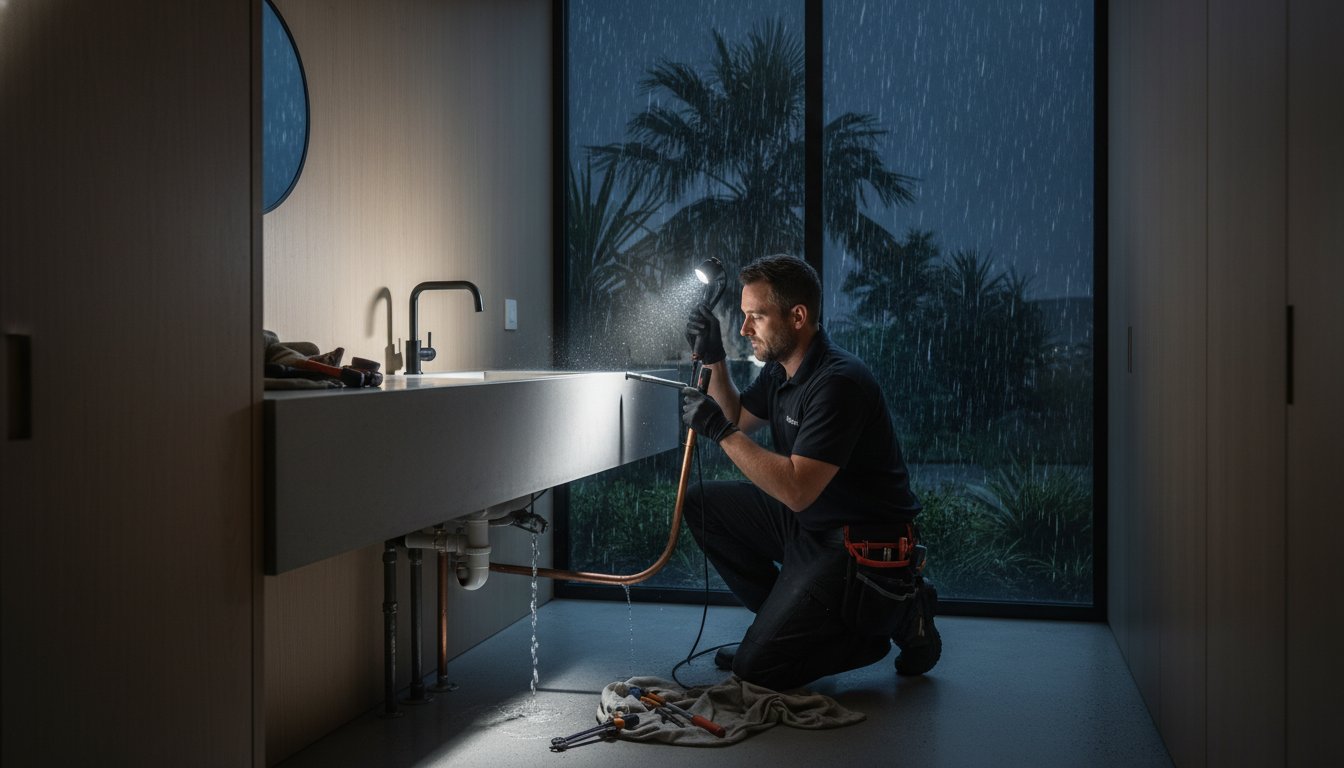
Whether you're looking to upgrade to a gas cooktop or need a full system design, we're ready to help. It's often most cost-effective to coordinate your gas requirements with a new home plumbing strategy during the planning phase. This ensures all pipework is optimised for pressure and safety from the ground up. For those facing urgent issues, our 24/7 emergency team provides rapid gas fitting repairs and leak detection to keep your household safe. Contact us today to book a safety audit or to discuss your upcoming project with a licensed expert who values integrity over a quick profit.
Secure Your Northern Rivers Home With Expert Gas Services
Choosing the right energy solution for your home involves more than just picking an appliance. You must ensure every connection meets strict NSW safety standards to protect your property and your family. Our team has spent over 10 years providing reliable gas fitting for residents from Yamba to Byron Bay. We focus on a proactive maintenance approach; this ensures your hot water systems and cooking appliances operate efficiently year after year.
Graywater Plumbing operates with a commitment to total transparency. We don't hide behind vague quotes. Instead, we use a clear hourly labour and material markup pricing structure. This ensures you only pay for the actual time spent on your job and the specific parts used. As fully licensed and insured NSW gas fitters, we handle everything from LPG bottle regulators to complex natural gas installations with technical precision.
Book a Licensed Gas Fitter in Northern NSW Today
We look forward to helping you create a safer, more efficient home with professional service you can trust.
Frequently Asked Questions
Can any plumber do gas fitting work in NSW?
No, only plumbers with a specific gasfitter's licence from NSW Fair Trading can perform this work. In NSW, gas fitting is a specialised trade that requires additional certification beyond standard plumbing credentials. Our team holds the correct licences to handle both LPG and natural gas installations safely. This ensures your home stays compliant with the Gas and Electricity (Consumer Safety) Act 2017 and keeps your insurance valid.
How much does it cost to install a gas point in Byron Bay?
Industry data suggests a standard gas point installation typically ranges from A$150 to A$350 depending on the distance from the main supply. At Graywater Plumbing, we use an hourly labour and material markup billing model to ensure you only pay for the actual time spent on site. This transparent approach avoids the padded margins often found in fixed-price quotes. We'll provide a clear breakdown of every component used for your specific installation.
What should I do if I smell gas in my home?
You must immediately turn off the gas supply at the meter or cylinder and open all windows to ventilate the area. Don't use any electrical switches, lighters, or phones near the leak as these can spark an ignition. Once you're safely outside, call a licensed gasfitter or your network provider's emergency line. We treat gas leaks as high-priority maintenance plumbing jobs to ensure your household remains safe from potential fire hazards.
Is it cheaper to run a hot water system on gas or electricity?
Natural gas is generally cheaper than standard peak-rate electricity for heating hot water units in the Northern Rivers. According to Australian Government energy data, gas systems can save a household between A$50 and A$150 annually compared to traditional electric storage tanks. However, high-efficiency electric heat pumps are now becoming more competitive. We help you compare the running costs and material markup on different units to find the most efficient solution for your budget.
How often should I have my gas appliances serviced?
Energy Safe authorities recommend having your gas appliances professionally serviced every 2 years. Regular maintenance plumbing prevents carbon monoxide leaks and ensures your heaters or cooktops operate at peak efficiency. During a service, we check the burners, ventilation, and gas pressure to confirm everything meets current NSW safety standards. This proactive approach extends the lifespan of your appliances and reduces the likelihood of expensive emergency repairs down the track.
Do I need a new gas line for a kitchen renovation?
You'll likely need a new gas line if you're moving the location of your cooktop or upgrading to an appliance with a higher megajoule rating. Modern high-output stoves often require a 20mm or 25mm pipe rather than the older 15mm lines found in many Byron Bay homes. We assess your existing infrastructure during the planning phase to ensure the gas fitting can handle the increased load without causing pressure drops in your other appliances.
What is a Gas Compliance Plate and where is it located?
A Gas Compliance Plate is a metal tag that proves your gas installation meets Australian Standard AS/NZS 5601.1. In NSW, you'll usually find this plate inside the kitchen cupboard, near the gas meter, or inside the electrical meter box. It lists the date of installation, the gasfitter's licence number, and the type of gas used. This plate is essential for insurance purposes and is required whenever you sell or rent out your property.